
How to Win a Vidhan Sabha Election: A Step-by-Step Guide for North India Candidates
From constituency assessment to polling day operations — a ground-level, practical guide for candidates contesting assembly elections in UP, Uttarakhand, and Delhi.

Step 1: Understand Your Constituency Before Anything Else
Many candidates make the fatal mistake of beginning their campaign before they truly understand the terrain. A Vidhan Sabha constituency is not a monolith — it is a collection of villages, mohallas, urban wards, and communities, each with its own dynamics, power structures, and grievances.
Before spending a single rupee on campaign activities, you need answers to these questions:
- What is the exact caste and community composition booth by booth?
- What were the winning margins in the last three elections, and which booths swung?
- Who are the local influencers — formal (sarpanch, MLA workers) and informal (community elders, traders, teachers)?
- What are the top 3 issues in each segment of the constituency?
- Where is the opposition’s support strongest, and is any of it persuadable?
- What is the voter list quality — how many ghost or migrant voters inflate the numbers?
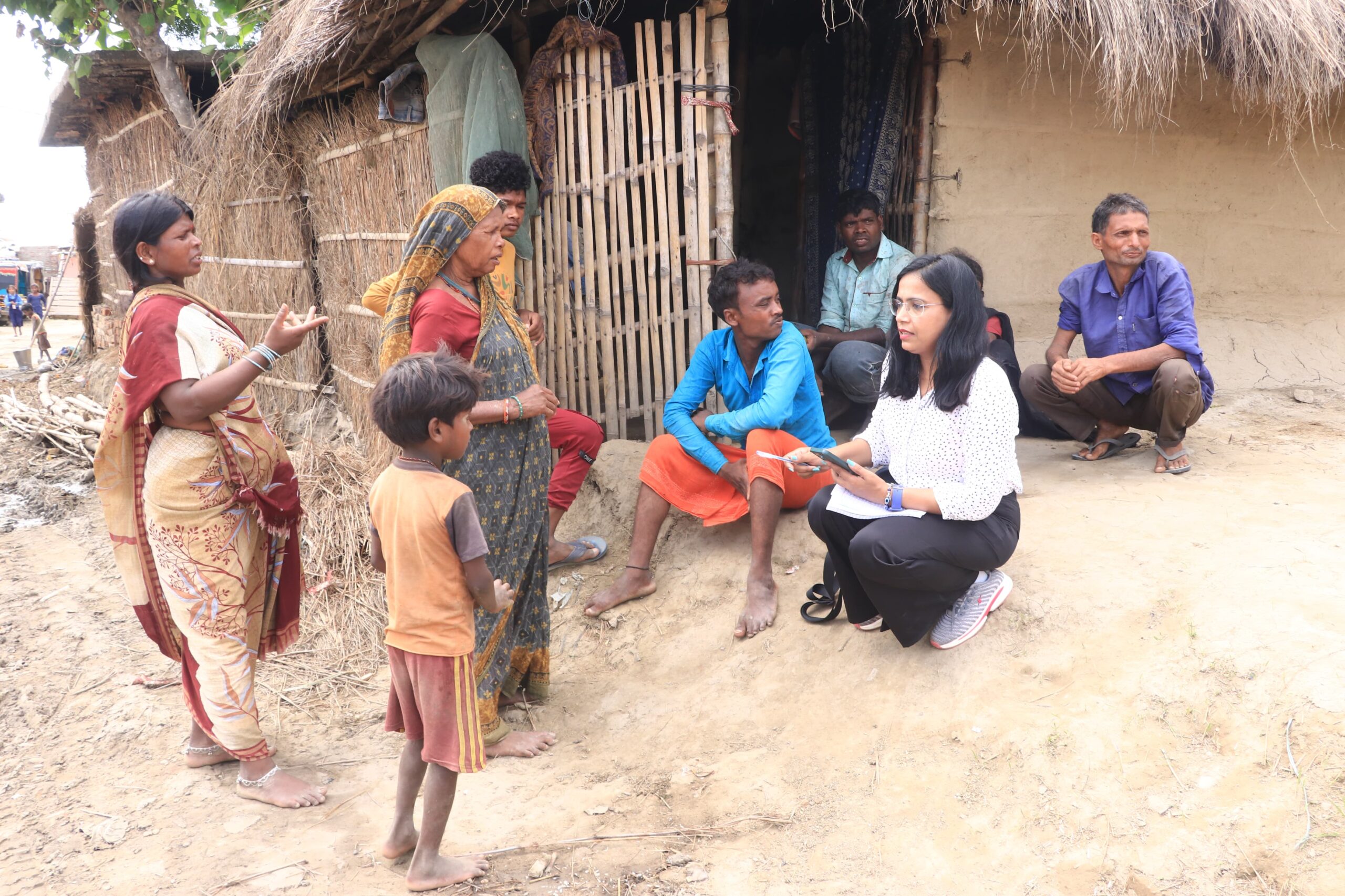
This intelligence is gathered through a formal constituency survey — not guess work, not anecdotes from party workers who tell you what you want to hear. A properly conducted survey of 2,000–3,000 respondents across a constituency gives you statistically reliable answers to all of these questions.
The Voter Math — Know Your Winning Number
Before building any strategy, calculate your target vote count. In a typical three-cornered contest in a UP assembly seat with 3.5 lakh registered voters and a 60% turnout, approximately 2.1 lakh votes are cast. With three serious candidates, winning may require as few as 75,000–90,000 votes — around 36–43% of votes cast.
This changes your entire approach. You are not trying to convince the entire constituency — you are trying to mobilise your base vote with maximum efficiency and convert a targeted slice of undecided voters. Every campaign resource allocation decision should flow from this arithmetic.
| Metric | Typical Figures | Your Target |
|---|---|---|
| Registered Voters | 3,50,000 | Know your exact figure |
| Expected Turnout (60%) | 2,10,000 | Model for 55–65% range |
| Minimum to Win (3-way) | ~75,000–90,000 | Your victory threshold |
| Confirmed Base Vote | Varies by candidate | Map booth by booth |
| Votes to Acquire (Swing) | Target – Base Vote | Focus all resources here |
The 12-Month Pre-Election Roadmap
Month 12: Constituency Survey and Baseline Data
Commission a professional survey. Map voter demographics, sentiment, and issue priorities at booth level. This is your intelligence foundation — everything else is built on it. Simultaneously begin voter list verification and cleaning.
Month 10–11: Campaign Architecture
Decide your core message. Build your booth committee structure — identify and recruit 5-7 members per booth, prioritising community influence over party loyalty. Train your field coordinators.
Month 8–9: Community Outreach and Relationship Building
Begin targeted community engagement — not rallies, but small meetings with community leaders, women’s groups, youth clubs, and trade bodies. Address specific local grievances where possible. Build personal relationships that translate to vote commitment.
Month 6–7: Mid-Campaign Survey and Recalibration
Commission a second survey to measure how sentiment has shifted. Where are you gaining? Where are you stalling? Reallocate resources to high-potential swing booths. Drop resource investment in confirmed hostile zones.
Month 3–5: Scaled Voter Outreach
Door-to-door across all priority zones. Candidate visits to high-value swing villages. Mass media and digital campaign launch. Women voter mobilisation drives. Youth voter activation.
Election Month: Final Operations
Voter slip distribution, polling agent nomination, transport coordination, war room setup, polling day execution plan finalisation.
Ground Operations That Win Seats
In North India’s Vidhan Sabha elections, ground operations trump advertising every time. A candidate with ₹50 lakh in a well-structured ground operation will consistently outperform one spending ₹2 crore on billboards and rallies without ground infrastructure.
The Three Non-Negotiable Ground Operations
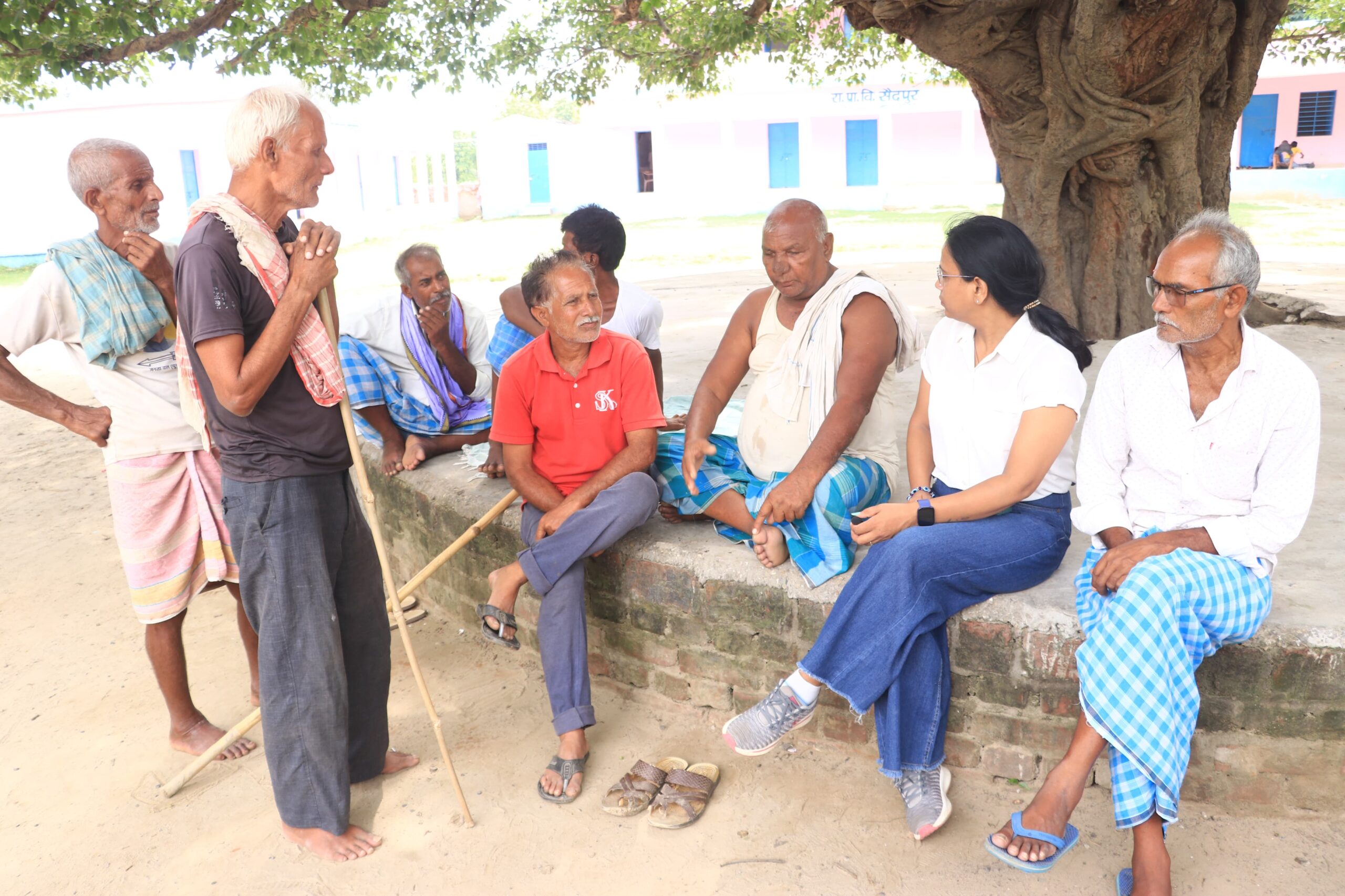
1. Booth Committee Activation: Every single booth needs a functional committee that meets monthly, maintains voter contact, and has a clear polling-day protocol. A booth with an active committee that knows 80% of its voters by name is worth more than ten rallies in that area.
2. Door-to-Door Voter Contact: Physical contact with voters at their homes — not on roads, not at meetings — is the highest-conversion outreach method. Each household visit by a trained worker who delivers a personalised message and addresses a specific local grievance is worth 50 WhatsApp forwards.
3. Women Voter Mobilisation: In UP and Uttarakhand, women’s voter turnout has consistently risen in recent elections. They often vote as a bloc based on domestic issues — LPG prices, water availability, school quality, healthcare access. A dedicated women’s outreach programme with female workers leading house visits is now essential in North India, not optional.
Building a Winning Narrative
Beyond ground operations, your campaign needs a narrative — a reason for voters who don’t know you personally to choose you. In North India’s Vidhan Sabha elections, winning narratives usually combine three elements:
- A local identity anchor — why you specifically, as a person from this constituency, understand its problems better than an outsider
- A clear development promise — specific, credible commitments on 2-3 dominant local issues, not generic national talking points
- A contrast with the opponent — what has the incumbent failed to deliver, or what makes the opposition candidate unsuitable, communicated factually and respectfully
The narrative must be consistent across all channels — your public speeches, your door-to-door messaging, your digital content, and your media appearances. Inconsistency in messaging is one of the most common campaign failures, particularly when different people are managing different channels without coordination.
Election Day — The Final Execution
Everything you have built for 12 months comes down to this day. Your polling-day plan must address four things with military precision:
- Agent coverage: 100% booth agent presence from booth opening to closing, with no gaps or absences
- Voter mobilisation: Hourly turnout monitoring at each booth; any booth below target activates a mobilisation call to that booth’s committee immediately
- Transport: Elderly, disabled, and distant voters need arranged transport. This is legally permitted and practically decisive in rural Uttarakhand and large UP constituencies
- Observation: One senior campaign representative per 10 booths, with direct line to the campaign war room, to handle any on-ground issues in real time
State-Specific Winning Tips
- Run caste-aware, not caste-exclusive campaigns — address all communities but with tailored messaging
- The Panna Pramukh model (page-level voter accountability) is proven — adopt a version regardless of party
- Agra, Varanasi, Lucknow urban seats have different dynamics from Bundelkhand or Purvanchal — don’t copy strategies across regions
- Paravasi voter mobilisation can swing hill seats — start outreach in Delhi/Dehradun six months out
- Women voter turnout is high — female-led outreach programmes are high-ROI in hill constituencies
- Anti-incumbency is cyclical and strong — frame your narrative around “time for change” if the incumbent has a long tenure
- Voter slip distribution in dense urban areas is the single highest-impact ground activity
- Purvanchal voters in East and Northeast Delhi vote cohesively — community leader endorsements matter enormously
- Delhi elections are heavily issue-driven — water, electricity, school quality, air pollution. Local infrastructure grievances drive swing votes
Frequently Asked Questions
The Election Commission’s legal spending limit for a UP assembly seat is ₹40 lakh per candidate. In practice, competitive campaigns spend significantly more across all associated activities. A realistic minimum for a serious, structured campaign — including consultancy, field workers, voter outreach materials, digital, events, and logistics — is ₹50–80 lakh in a typical constituency. Candidates in high-competition seats or those without strong party infrastructure often spend considerably more. The key is not total spend but return on investment — ₹40 lakh in a well-structured ground campaign beats ₹1.5 crore in disorganised activity every time.
Caste remains a significant — but not deterministic — factor in North India assembly elections. Your caste provides a natural base but rarely guarantees victory in most seats. What matters is your ability to hold your caste base while adding meaningful support from other communities. Candidates who win in competitive seats almost always do so with a cross-caste coalition — built through addressing issues that cut across community lines, through respected local figures who vouch for you, and through personal accessibility that makes voters feel seen regardless of caste.
Independent candidates do win assembly seats in North India — particularly in constituencies where a candidate has deep personal credibility, strong local service delivery history, or where both major parties have fielded highly unpopular nominees. However, it is structurally harder. Party affiliation provides a baseline vote, a ready cadre, and a recognisable symbol on the ballot that matters for less-informed voters. An independent requires a much larger personal investment in booth management and voter outreach to compensate for the absence of these party advantages.
Setting realistic expectations during the campaign itself — by making specific, achievable promises rather than sweeping commitments — is the best approach. Post-election, maintaining your booth committee and constituency management infrastructure is critical. The MLA or MLC who keeps their ground network active between elections, holds regular constituency contact programs, and tracks and communicates development work consistently is far better positioned for re-election than one who disappears between cycles. Winning once is a campaign achievement. Winning twice is a governance achievement.
Social media is increasingly important but remains complementary rather than decisive in most North India assembly seats. In urban Delhi constituencies and UP’s major city seats, digital reach among younger voters (18–35) is significant and growing. In rural UP and Uttarakhand’s hill seats, smartphones are prevalent but political social media consumption is more limited and WhatsApp-driven rather than Instagram or Twitter-led. The most effective campaigns use digital to amplify ground events — a local meeting or candidate visit generates content that is then distributed through WhatsApp groups managed by booth committees — creating a multiplier effect rather than treating digital as a standalone channel.
Planning to Contest a Vidhan Sabha Seat?
PoliticoInsights has helped candidates win across 25+ elections in North India. Get a personalised campaign strategy review.
Request a Constituency Assessment →